
In the light of our current political climate, I am concerned about the loss of a great part of American culture and diversity: the Spanish language.
The new administration has temporarily eliminated the Spanish version of the White House website. This might not be surprising for those who heard President Trump say during the campaign that “This is a country where we speak English, not Spanish,” but it is still deeply troubling for American ideals of diversity and tolerance.
The Constitution never specifies English as an official language, and, in fact, there is no official language at the federal level. It is true that English is the primary language for legislative and bureaucratic purposes and that, in most cases, its knowledge is necessary for a successful integration.
However, it is unfair to characterize migrants as unwilling to learn English since many of them arrive as adults and have a harder time assimilating the language.
More importantly, we cannot ignore the linguistic diversity of a country where 41 million people spoke Spanish as of 2015, according to the United States Census Bureau. That is almost the same number of Spanish speakers as Spain.
If you have ever been to places like Miami Beach, Florida, you will understand that this is not a country where we speak just English.
Another concern about this repudiation of the Spanish language is the contradiction between xenophobic comments, such as those of Trump, and some of the most common practices of American society.
While the new administration has temporarily deleted its website in Spanish, the Home Depot and many other businesses are growing more bilingual.
Immigrant labor will remain in this country, but the efforts to eliminate Spanish from official websites will reduce access to information and services for those same people. With a policy like that, we lose the melting pot we so cherish in this country.
In such a diverse and globally oriented institution as our university, messages like this should cause outrage. We have professors who dedicate their lives to the research and instruction of the Spanish language, and students who are committing their careers to similar purposes.
We also have a significant Spanish-speaking community of U.S. nationals and international students who feel uncertain about their future in this country.
I, for one, am not going to let my Spanish-speaking voice go unheard. Because I still believe the American promise of equal opportunities for everyone. I still believe this is the land of the free and the home of the brave. And you know what? We, too, are free. We, too, are brave. And we speak Spanish.
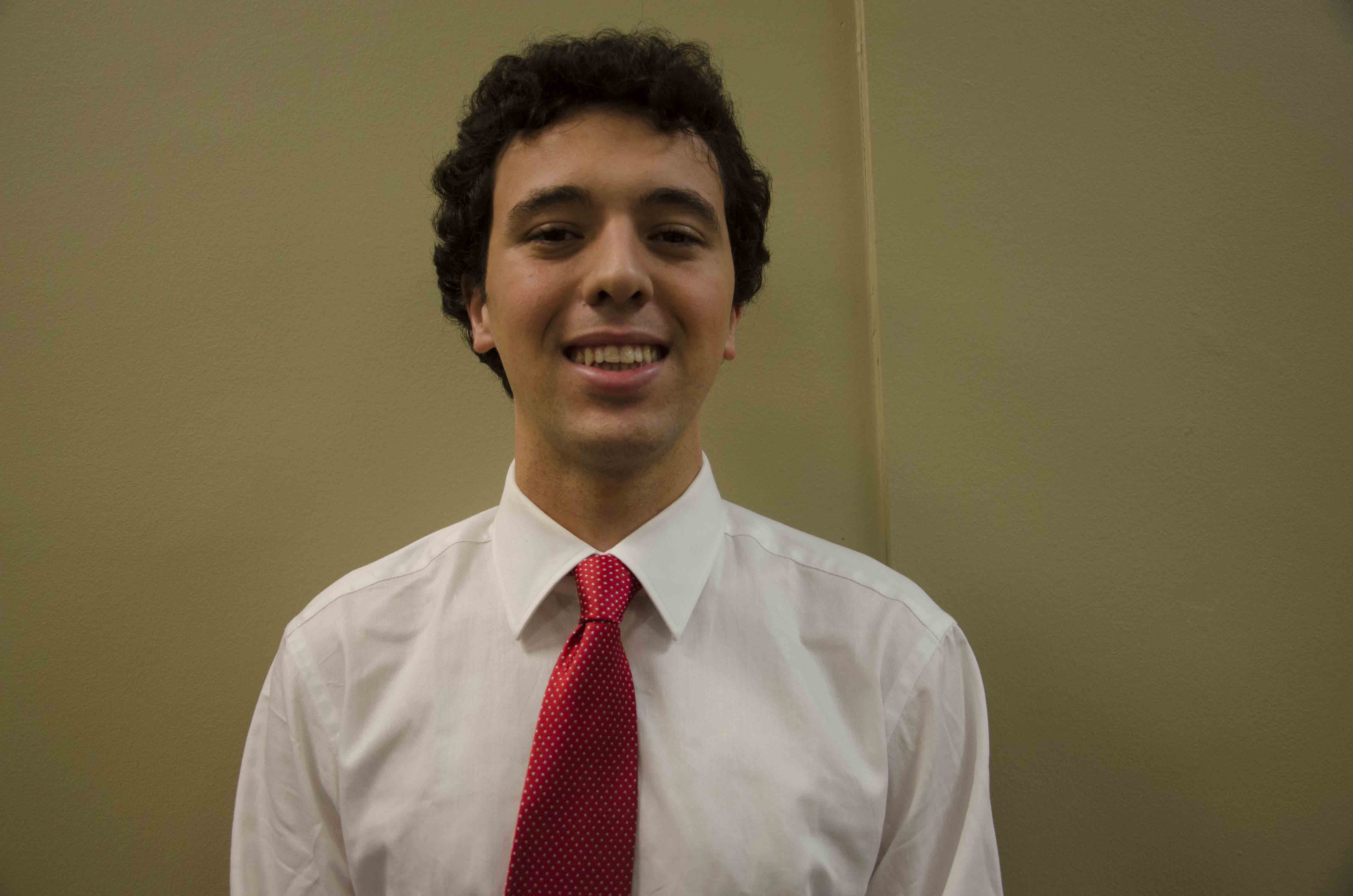
Francisco Hernandez is a junior International Studies from Valencia, Spain.